
The last week has been a humbling reminder of why I chose to step away from a particular cultural expectation to which I could no longer safely conform: “busy-ness”.
Being “busy” is stressful. It takes a toll on your health, relationships, peace of mind, and many other things that it’s easy to be distracted from noticing when we’re in the trance of “busy-ness”. I could say a great deal about it, but most of what I would have to offer can most easily be summed up by Thomas Merton:
“There is a pervasive form of contemporary violence to which the idealist most easily succumbs: activism and overwork. The rush and pressure of modern life are a form, perhaps the most common form, of its innate violence. To allow oneself to be carried away by a multitude of conflicting concerns, to surrender to too many demands, to commit oneself to too many projects, to want to help everyone in everything, is to succumb to violence. The frenzy of our activism neutralizes our work for peace. It destroys our own inner capacity for peace. It destroys the fruitfulness of our own work, because it kills the root of inner wisdom which makes work fruitful.”
I wish — deeply — that I could say that this isn’t true.
But I can’t.
Right now, I’m doing my utmost to stay presently engaged and mindful. It’s hard work. I’ve been excessively busy of late — taking on too many projects, trying to “help everyone in everything”. My inner capacity for peace has been seriously reduced. Thankfully, I am catching it before it has been destroyed.
The scariest thing about this sort of “violence” is how sweetly and covertly it operates on us. It doesn’t slam into us suddenly, although we often experience its effects in that manner. No — it has a subtle way of luring us, little by little, into doing more and more. . . until we’re running to keep up and so overwhelmed that something has to give under all the weight of obligation. We look frantically for something or someone to blame for our condition, unable to see our part in the whole picture. Like the story so often told about the little froggy who doesn’t realize he’s being boiled alive until it’s too late — we often find ourselves in boiling water wondering when our delightful dip in the hot tub started to scald our flesh.
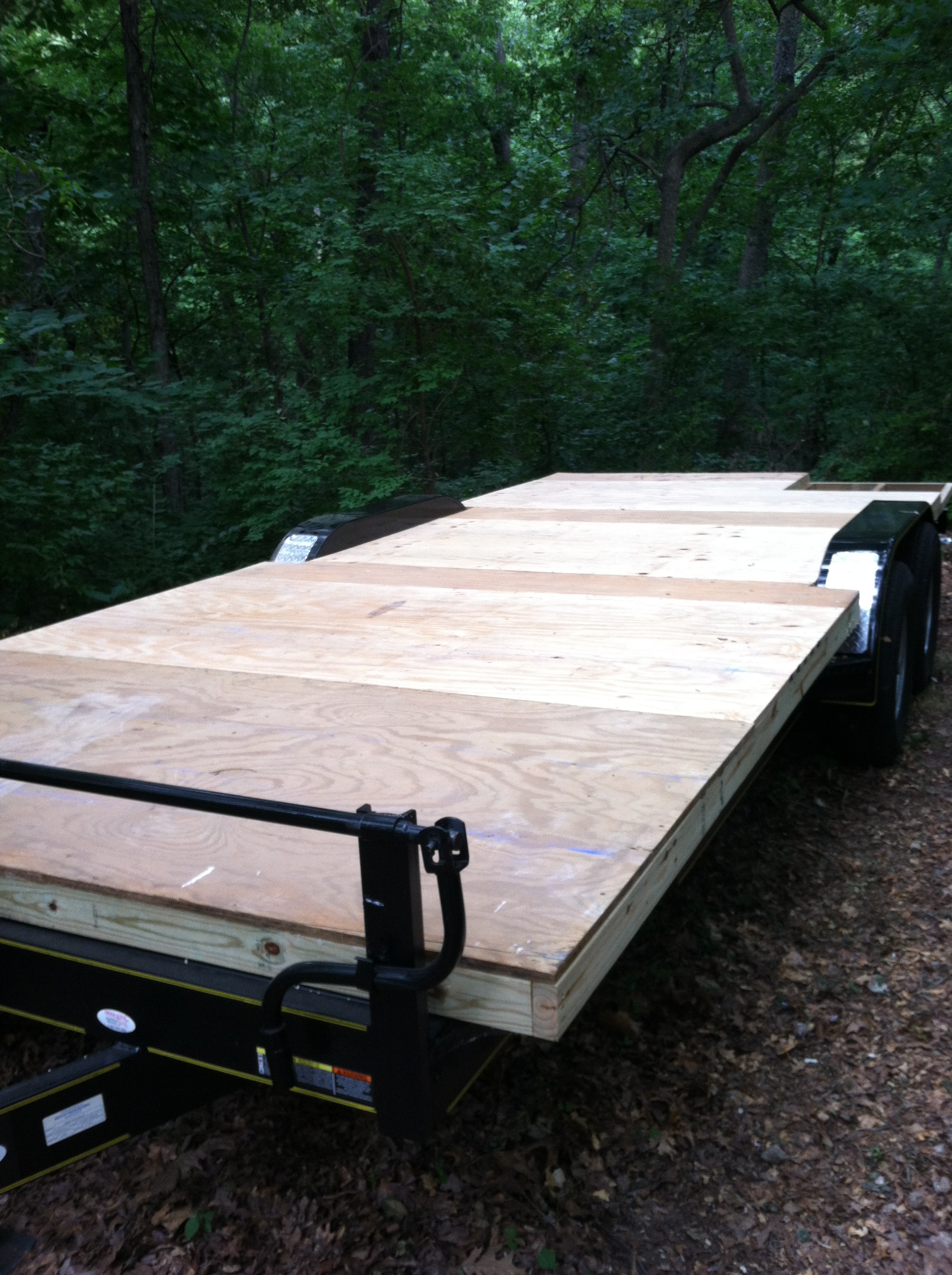
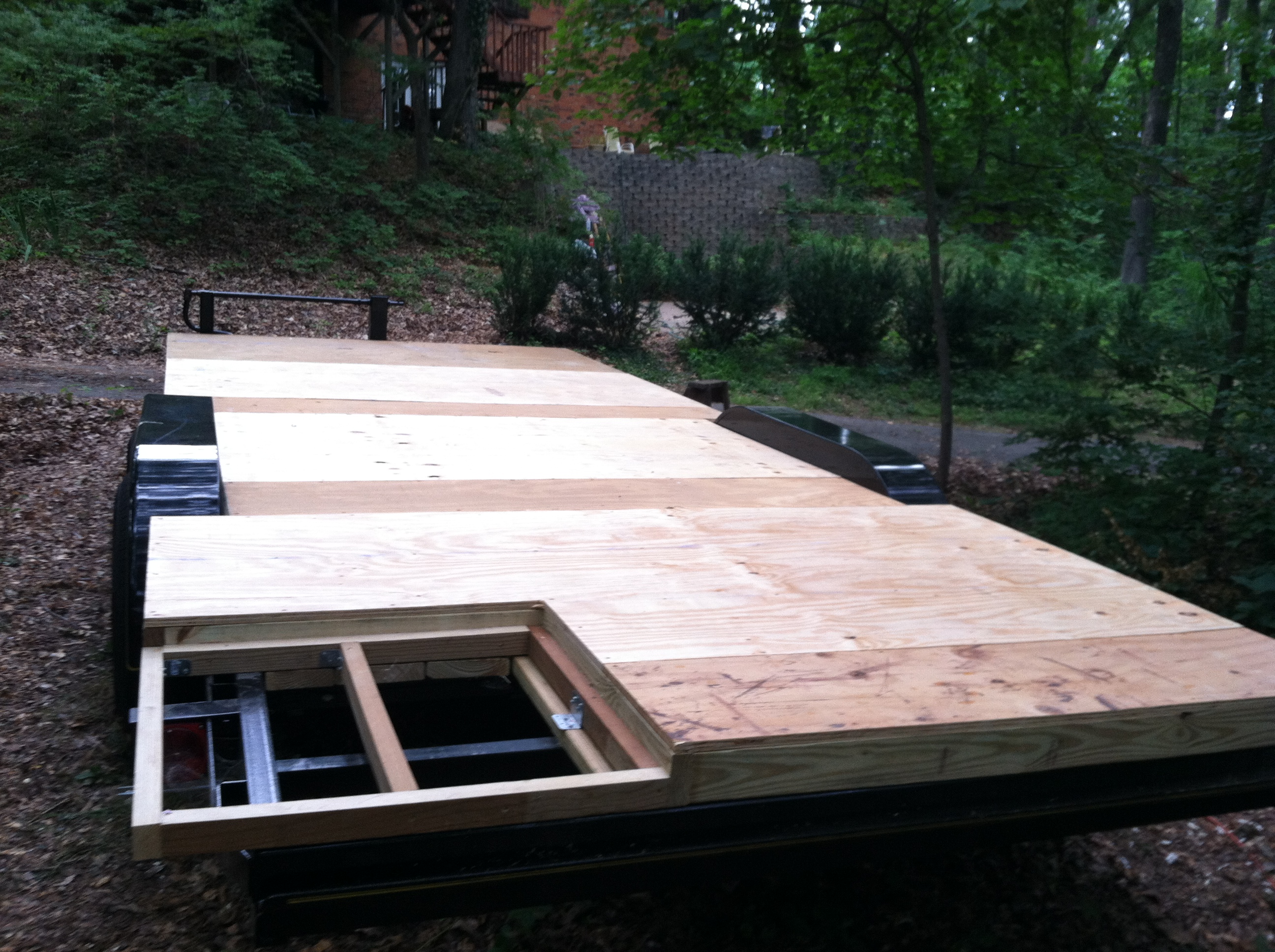
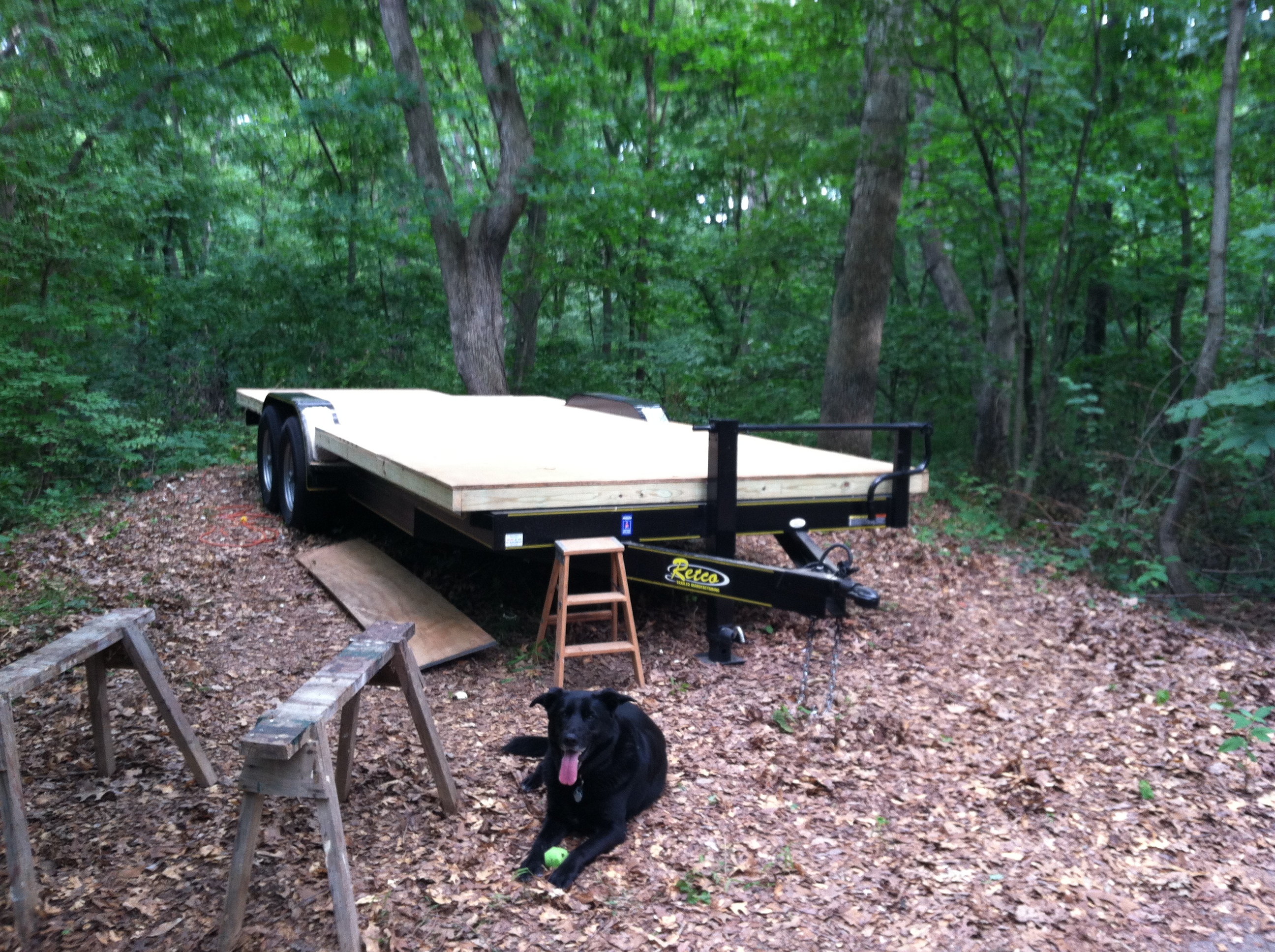
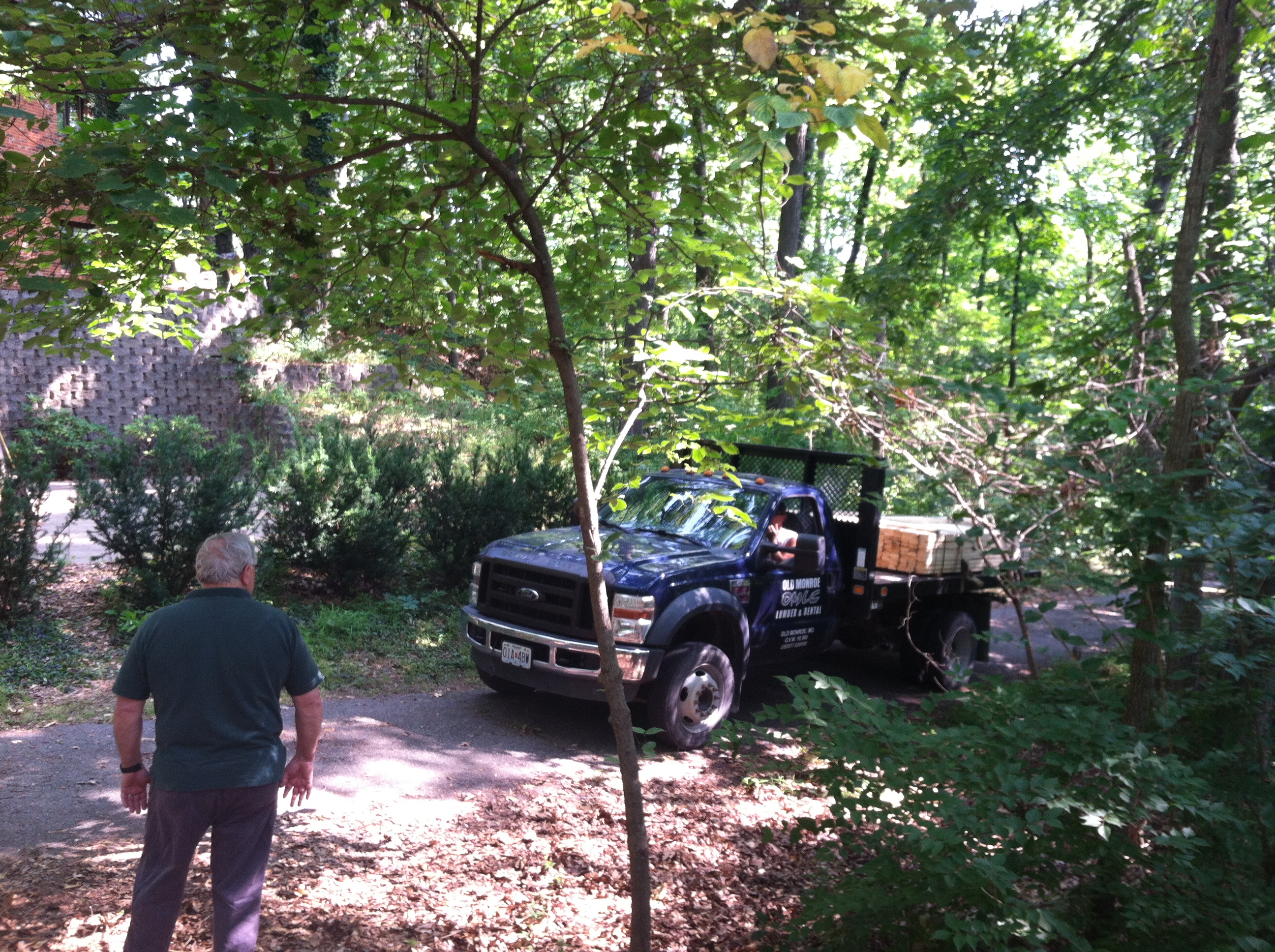
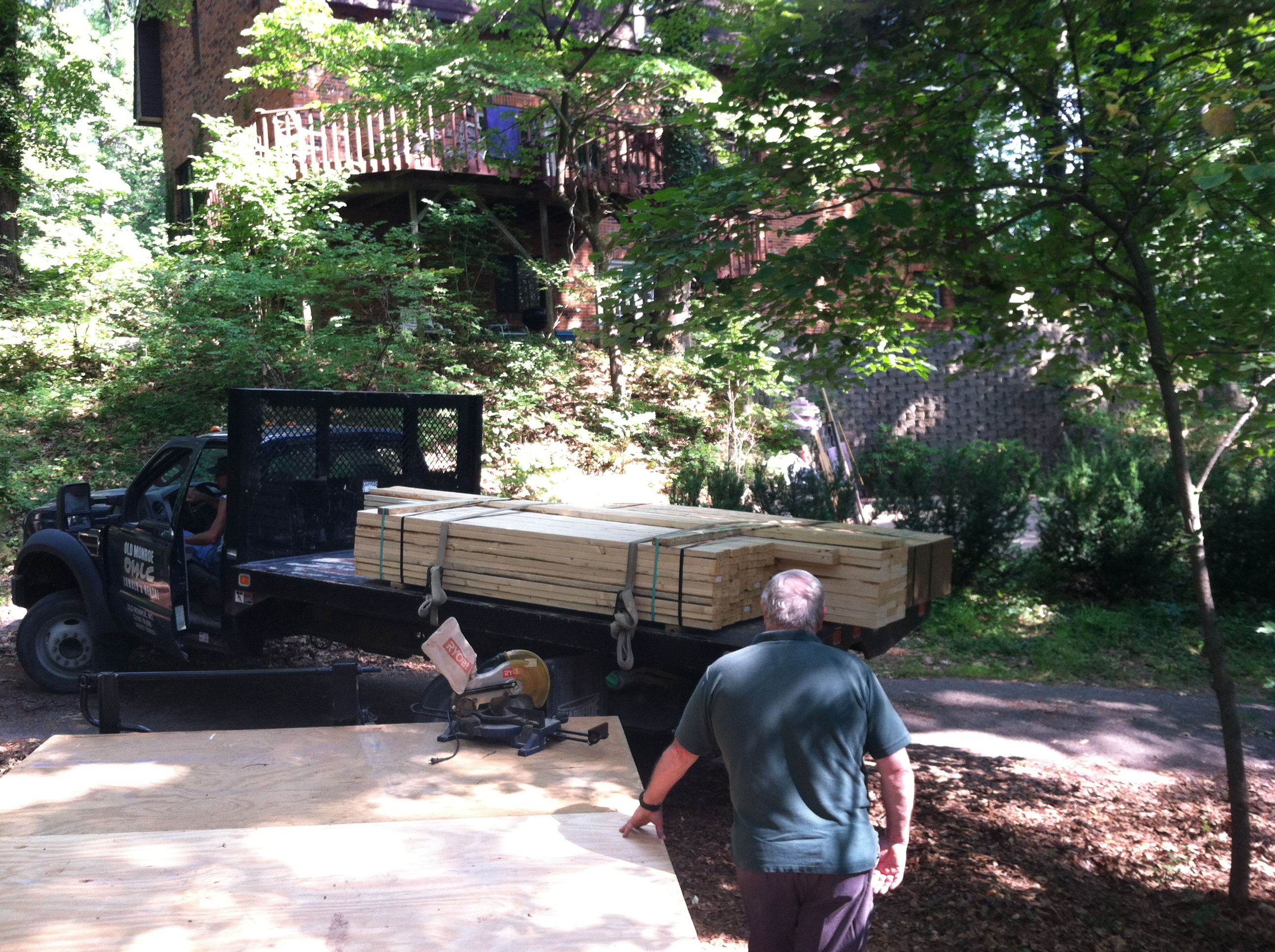
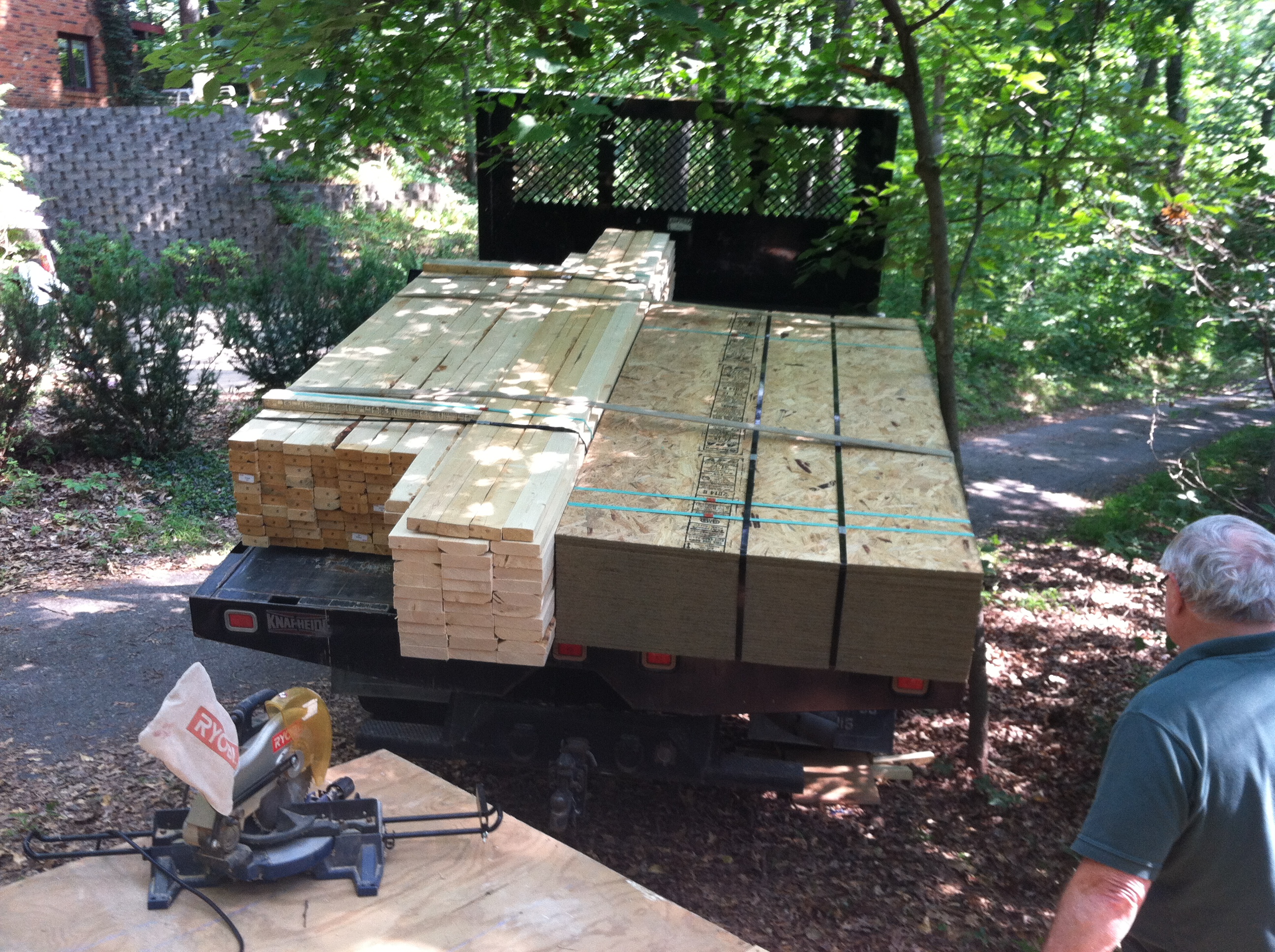
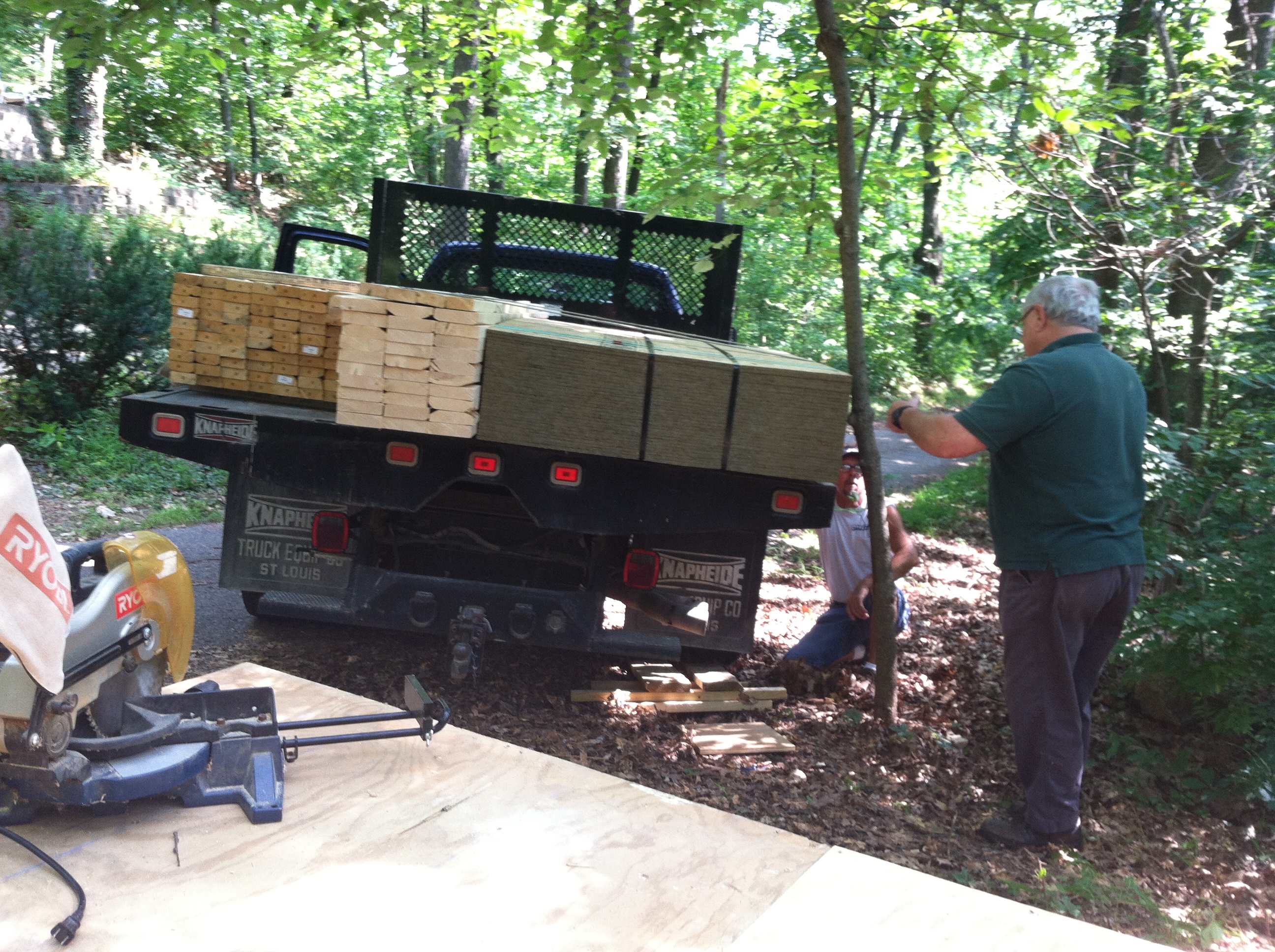
In my current situation, what’s surprised me the most is the way in which the “busy-ness’ crept up. It’s come from positive, fun, engaging projects that I’ve dreamt of doing for a long time. Building my own home, for example, and finding a way to live that is financially and ecologically sustainable, and that will allow the freedom to make more creative, service-oriented, non-conventional choices so that I can lead a more contemplative life. Exciting art commissions, invitations to direct plays and take part in artistic collaborations, opportunities to mentor younger artists — also things I’ve wanted a part of for quite some time.
In other words — everything I’m taking part in is something I want in my life. They are things I have chosen very mindfully. Things that are in total harmony with the way I’ve re-visioned my life since choosing to walk away from convention and the status quo. And yet — despite this — the effect is as frighteningly the same as it was in an earlier part of my life.
It may seem really extreme to refer to being busy as “violence”. That’s understandable. But when you think about the actual effects of violence, it becomes much harder to deny — regardless of their cause. When we experience the effect of an undeniably “violent” act, for example, we might feel crushed, defeated, afraid, panicked, victimized, anxious, exhausted, traumatized, immobilized, breathless, or gasping for breath. Later on, depending on the source of violence, we might feel depressed, achy, sore, emotional, irrational, angry, indignant, defensive, highly sensitized, overwhelmed, paranoid, jumpy, or unable to leave the house.
At another time in my life, when I was easily motivated into action by the dangling carrot of “success”, the more “violent” aspect of being over-committed was easier to spot. When over-committed, my behavior became cranky, abrupt, and much time was spent with friends and family complaining about how crushed, defeated, angry, overwhelmed, and victimized I felt. There was no space to cope with unexpected events, which easily became insurmountable obstacles sent to block my way forward. I was visibly stressed to those who knew me only in passing. In the midst of all this difficulty, I’d seek further “pleasant” distraction in the hopes of somehow feeling better. Eventually — exhausted and spent — I’d give up and collapse in tears, not wanting to leave the house for a few days . . . only to get up and do it all over again.
Reading this, you might think that such a method of coping sounds crazy. Worse — it could be the very definition of insanity.
You’re right.
At the same time, I would imagine that there are likely many who recognize themselves in that description. It’s not particularly pleasing to see about ourselves; few of us would feel very good about admitting that we’ve been driven to such extremes. After all, we’re supposed to be “busy” with a smile on our faces, feeling good about all of our “achievements”.
When we’re over-loaded with tasks, expectations, motivations, responsibilities, and obligations — our nervous system experiences them no differently than any other kind of violent assault. Then, when the over-load begins to subside, we begin to experience some of the after-effects of violence. We become anxious or restless — waiting for the next thing to be lobbed in our direction. We cannot just sit still and “be” because what if it’s not enough? What if we’ve missed something? What if the next attack comes and I’m not prepared?
Building a tiny house is a dream come true. An art commission that requires the specific and disparate set of skills i’ve spent a life-time acquiring is, too. Teaching movement and dramatic lit and devising a play with beautiful, inspiring young people is a blessing too big to quantify. When I found myself inexplicably gasping for air whilst sitting down the other evening, however, the shock of that discovery jolted me back into my body. I could see instantly that it was imperative to find the gentlest, swiftest way off that train.
And so that journey once again begins in earnest. The sorting out of what needs putting down, what can be prioritized differently, and whether or not the stress I’m perceiving could be managed another way. Without that core of a spacious, open heart and mind, I’m not much good to all of the people I love so much. A life without space, without a peaceful heart and body-mind; a life that cannot gently reach out to adjust the sails as the prevailing winds change (as they always do), isn’t much of a life at all.
 ZenUrbanCoyote